Table of Contents
- Stage 3 Tax Cuts Australia
- Here's what Australians are earning + 10 highest paid Aussie jobs
- Household Income Australia Tax - Spot Walls
- Money Matchmaker® | Tax Brackets Australia
- Believe it or not...1 in 3 Australian households has net wealth of more ...
- Australian Tax Brackets 2024 25 - Tabbi Faustina
- 2025 Tax Tables for Australia
- Australia's top income tax rate is comparatively the highest in the ...
- What Are The Australian Income Tax Rates For 2024 25 - Printable ...
- How to maximise tax return for FY25 | news.com.au — Australia’s leading ...


What are the New Tax Brackets for 2025?
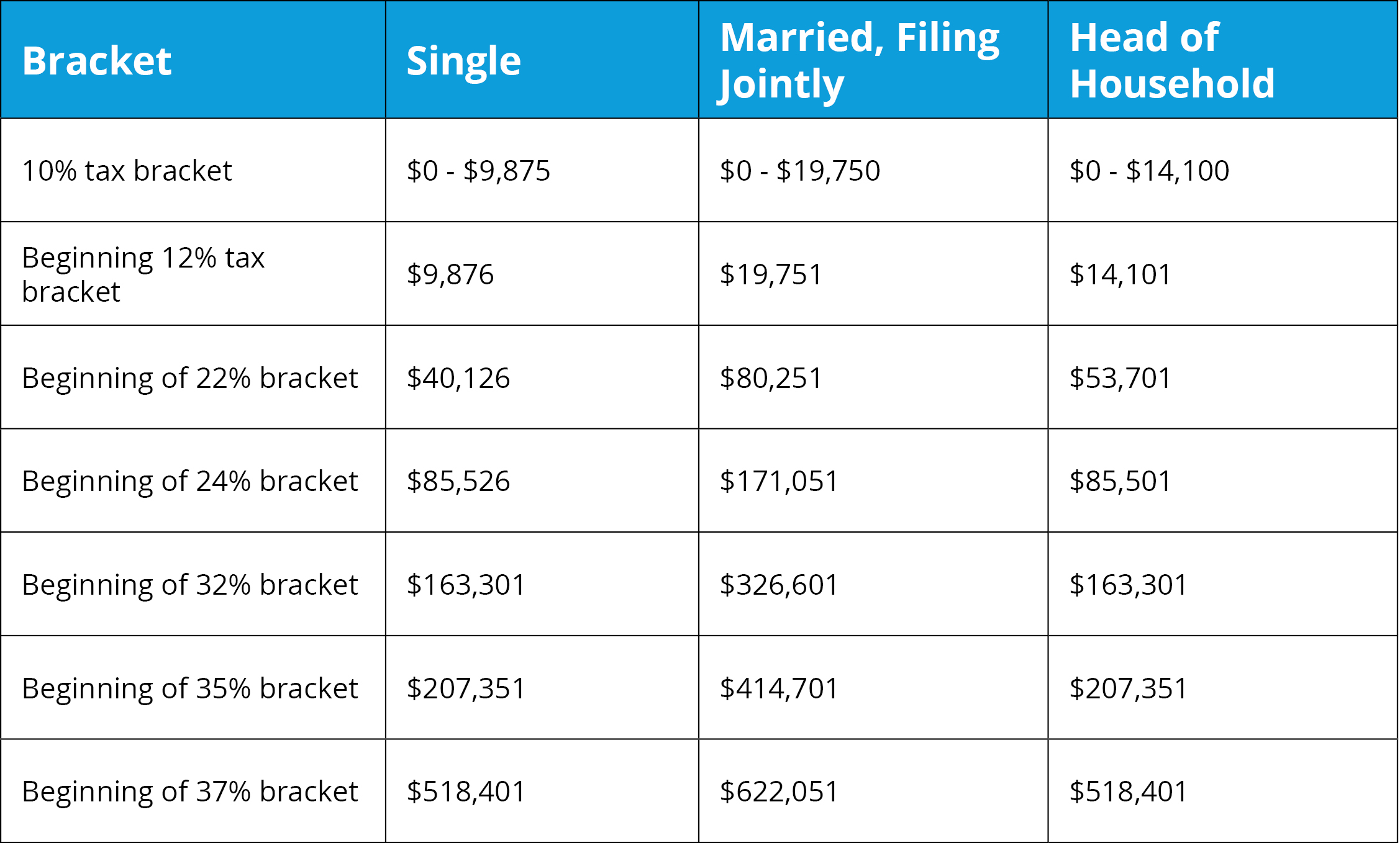



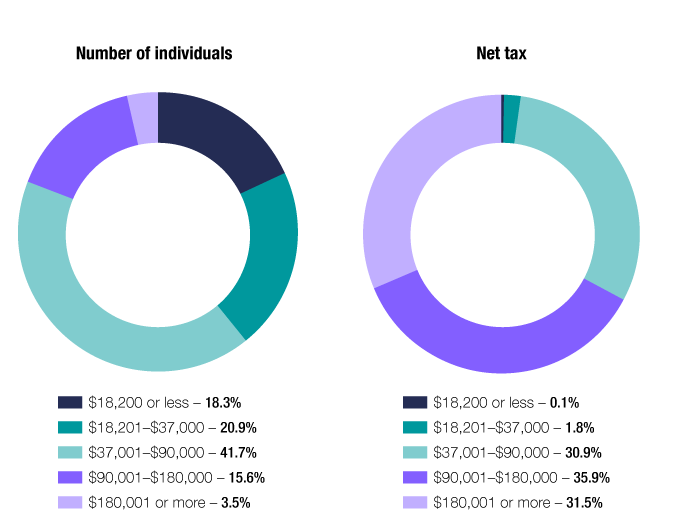
How will the New Tax Brackets Affect You?


Tax Implications for Businesses
The new tax brackets will also have implications for businesses, particularly those with employees. Employers will need to adjust their payroll systems to reflect the updated tax rates, ensuring that their employees' tax deductions are accurate. Additionally, businesses may need to reassess their tax strategies, considering the changes to the tax brackets. This could involve reviewing their income structures, expenses, and tax deductions to minimize their tax liability. The new tax brackets for 2025 are set to bring significant changes to Australia's tax landscape. Understanding these changes is crucial for individuals, families, and businesses to navigate the updated tax system effectively. By being aware of the new tax brackets and their implications, Australians can make informed decisions about their finances and plan for the upcoming financial year. As the 2024-2025 income year approaches, it's essential to stay up-to-date with the latest tax developments and seek professional advice if needed. By doing so, you can ensure that you're taking advantage of the available tax relief and minimizing your tax liability.For more information on the new tax brackets and how they may affect you, visit the Australian Taxation Office website or consult with a tax professional.
Note: The information provided in this article is general in nature and should not be considered as tax advice. It's always recommended to consult with a tax professional or financial advisor for personalized advice.